
Lynnwood, WA · Garage Door Service
What We Check First Before We Touch Your Door
See what a Lynnwood Garage Door Pros technician inspects first, why 1980s-era hardware drives the cost, and what happens if you leave a sticking door alone.
- Repairs & new doors
- Springs & openers
- Serving 6 nearby communities
How Local Conditions Play In
Most houses on this side of Lynnwood went up between 1965 and 2001, with the typical build year landing around 1988. That matters because a technician walking up to your garage almost always meets hardware that's original to that window, or a replacement installed to match it. Across the 35 named areas that share this housing stock - Alderwood Manor two miles off, Mountlake Terrace just as close, Brier and Picnic Point a few minutes further - the same era of torsion spring, the same steel track gauge, and the same relay-style opener keep showing up on service calls.
Lynnwood sits in a mild climate band with some freeze, not the hard freeze-thaw cycling you'd get further inland. That changes what we look for first. We're not checking for cracked concrete slabs from deep frost heave. We're checking whether cold mornings have stiffened the lubricant in a thirty-year-old spring enough that the opener is straining to lift a door that should move on its own. A door that worked fine in August and labors in January is usually telling you the spring, not the opener, is the problem.
The Cost of This Job
We don't quote a number before we've opened the panel next to your springs, because what drives the cost on a Lynnwood job is almost always the age and type of hardware, not the labor. A house built in the 1988 median window often still runs the torsion system it shipped with. If that system uses a drum or cable size that's no longer common, the part itself takes longer to source than the repair takes to perform.
The honest limitation here: we can't tell you the cost over the phone, and we won't guess. Two doors that look identical from the driveway can need completely different parts once we're standing in front of the spring. What we can tell you is that the check itself - spring tension, cable wear, track alignment, opener force setting - comes before any number gets written down. If your hardware matches the era this neighborhood was mostly built in, expect us to ask about it specifically, because that's usually where the job either stays simple or gets more involved.
The Problem
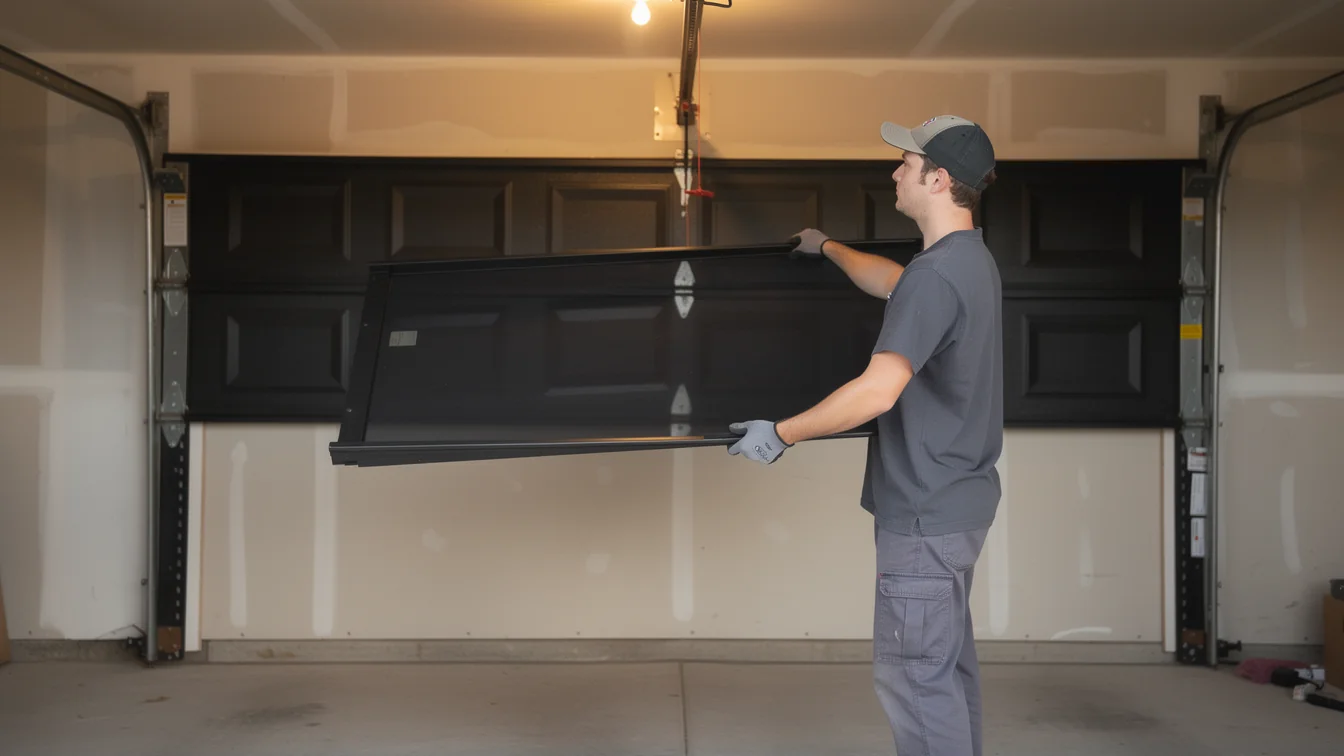
A technician starts in the same place on almost every call: the springs. A torsion or extension spring installed when a Lynnwood house went up in the 1965-2001 window is typically rated for around 10,000 open-close cycles, and a lot of them are well past that mark by now. We check for visible gap in the coils, rust at the stress points, and whether the door balances when disconnected from the opener - a door that won't hold position halfway up is telling you the spring has already let go of most of its tension.
From there we move to cables and rollers, since 1980s-90s hardware across this stock often paired steel rollers with track that's worn a groove over decades of use. Then the opener itself: force and limit settings drift over the years, and an opener straining against a bad spring will wear out its own gears trying to compensate. We check the track for misalignment last, because a bent track is usually a symptom of one of the earlier problems, not the original cause.
Leaving It Alone
A door that sticks or groans isn't a cosmetic problem - it's a spring or cable telling you it's near the end of its cycle count. With hardware this age across the Lynnwood area, a spring that fails while the door is open can drop the door hard enough to bend track or crack a panel, turning a spring job into a full hardware replacement.
Income levels across this service area run higher than many nearby markets - median household income here is $128,295 - and we see that reflected in how people decide to handle an aging system. More owners choose to replace the whole spring and cable assembly once we've flagged the parts gap, rather than patch one component and wait for the next one to go. Neither choice is wrong, but waiting without an inspection is the one that tends to cost more later, because a door left unchecked doesn't fail quietly. It usually fails while someone's standing under it.
Frequently asked questions
Why does my opener seem to struggle more in the winter?
Lynnwood's climate band runs mild with occasional freeze, so you won't see the deep frost issues some areas get, but cold does stiffen spring lubricant and tighten steel just enough that an aging spring has to work harder. If your opener strains more on cold mornings, the spring is usually the first thing we check, not the motor.
My house was built in the late 1980s - does that tell you anything before you arrive?
It tells us a lot. Most homes on this side of Lynnwood went up between 1965 and 2001, with 1988 as the typical build year, so we usually expect original or first-generation-replacement torsion hardware. We still check everything in person, but it shapes what parts we bring on the truck.
Can you give me a price over the phone?
Not honestly, no. The cost depends on what spring and cable hardware is actually on your door, and that varies even between houses built the same year. We check tension, cable wear, and opener settings on site before we say what the job involves.
Related garage door services in Lynnwood
More garage door guides
Book garage door service in Lynnwood
Call now or request a quote - tell us what the door is doing and where you are.